

Introduction: The Intersection of Compute and Power Demand
The rapid expansion of artificial intelligence and high-performance computing is fundamental to the future of digital infrastructure. However, this growth has brought a critical challenge to the forefront: power demand.
As data center energy consumption accelerates globally, the energy and technology sectors are finding themselves intertwined like never before. Meeting the infrastructure requirements of next-generation AI demands more than just expanding power generation, it requires an unprecedented level of collaboration between tech pioneers, data centre operators, industrial leaders, and energy grid operators.
This growing interdependency takes centre stage at ADIPEC 2026 in Abu Dhabi (November 2–5). Joining global executives from Siemens, Honeywell, AVEVA, Cognite, Schneider Electric, and SandboxAQ, Quantum Switch Chairman & Founder Tim Bawtree will address how the industry can solve the dual challenge of powering AI while using intelligent technology to modernise energy systems.
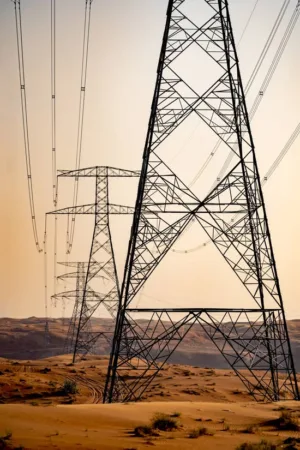
The Dual Challenge: Fuelling AI While Optimising the Grid
The core theme driving discussions at ADIPEC 2026 is twofold:
- Meeting rising electricity demands generated by data centers, cloud computing, and AI model training.
- Leveraging industrial AI to optimise energy transmission, improve operational efficiency, and strengthen grid resilience.
According to a recent report by Energies Media, technology is transitioning from being purely a consumer of energy to becoming an essential enabler of energy efficiency.
Key Metrics Shaping the Future of Energy & Tech:
- $110 Billion in Annual Savings: According to the International Energy Agency (IEA), widespread deployment of existing AI applications could deliver up to $110 billion in power generation savings annually by 2035.
- 175 Gigawatts (GW) Unlocked: AI-driven grid optimisation can unlock up to 175 GW of additional transmission capacity from existing power lines without requiring costly physical rebuilds.
- Scaled Operational AI: Real-world applications (ranging from autonomous operations and subsea robotics to GPU-driven reservoir modelling) are moving out of testing environments and into full-scale industrial deployment.
Why Data Centre Infrastructure Leaders Must Lead the Dialogue
Data centers serve as the physical backbone of the digital economy. However, as compute densities rise, traditional approaches to data center site selection, cooling, and power procurement are evolving rapidly.
Leaders like Tim Bawtree emphasise that solving the energy bottleneck requires embedding intelligence directly into infrastructure:
“Industrial AI delivers the most value for energy systems when intelligence is engineered into infrastructure at its core, including the grids, industrial systems, and data centers that keep modern economies running.”
To build a resilient digital economy, data center developers and energy providers must collaborate on key operational priorities:
- Grid Integration & Dynamic Load Management: Aligning data centre energy demand with real-time grid capacity and renewable availability.
- Advanced Infrastructure Efficiency: Integrating cutting-edge liquid cooling, high-density power distribution, and predictive analytics to minimise energy waste.
- Cross-Sector Partnerships: Bridging the gap between software innovators, physical infrastructure providers, and energy policymakers.
From Strategy to Execution: What to Expect at ADIPEC 2026
Held in Abu Dhabi under the patronage of H.H. Sheikh Mohamed bin Zayed Al Nahyan, President of the UAE, and hosted by ADNOC, ADIPEC 2026 will bring together over 239,000 attendees and 2,250 exhibiting companies.
 The conference’s dedicated AI, Digital & Technology Innovation Strategic Conference and expanded AI Zone will showcase real-world solutions bridging the digital and energy sectors, including:
- Predictive Maintenance & Asset Optimisation: AI-driven robotics and sensors to monitor and extend asset lifespans.
- Workflow Orchestration: GPU-accelerated computing tools designed for complex modelling and operational orchestration.
- Autonomous Operations: Robotics and AI analytics taking over high-risk or continuous monitoring tasks in power generation facilities.
Conclusion: A Unified Energy-Tech Ecosystem
Technology and energy are no longer separate, parallel industries. As AI reshapes global energy demand and grid operations, success will belong to companies that build resilient, intelligent, and scalable infrastructure.
Events like ADIPEC 2026 provide the crucial platform where strategy, capital, and engineering expertise align, paving the way for sustainable digital growth
